Appalachian Press
Guides for the Appalachian Genealogist
Practical, well-structured tools designed to support serious genealogical and historical research in the Appalachian region, built for clarity, accuracy, and long-term usefulness at every level.
Paid Subscriber Exclusive
These guides are published by Appalachian Press and included exclusively with a paid Substack subscription. Each one runs 20 to 30 pages and is built around a specific Appalachian research problem, with chapter-length strategies, state-by-state repository guides, case examples, and fillable worksheets.
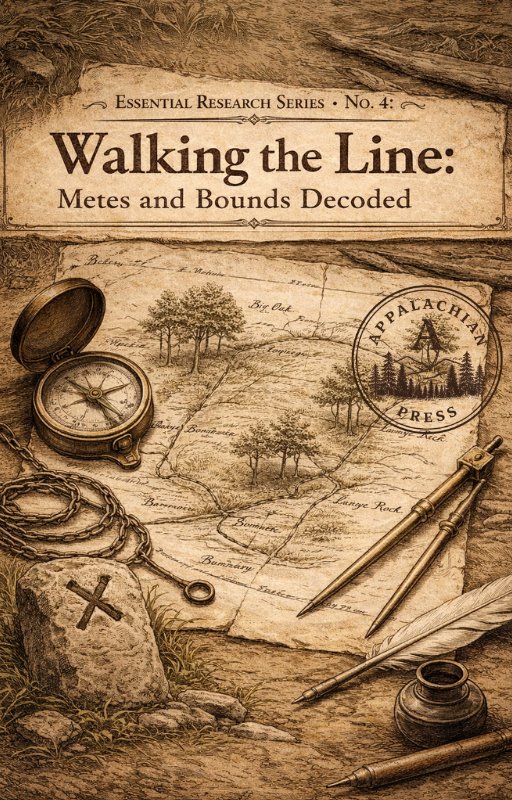
Metes and bounds land descriptions are the language every Appalachian deed was written in, and most researchers can not read them. This guide teaches you to parse the calls, identify the landmarks, map the survey, and use the neighboring tracts to extend your research into the network of owners and transactions surrounding your ancestor's land.
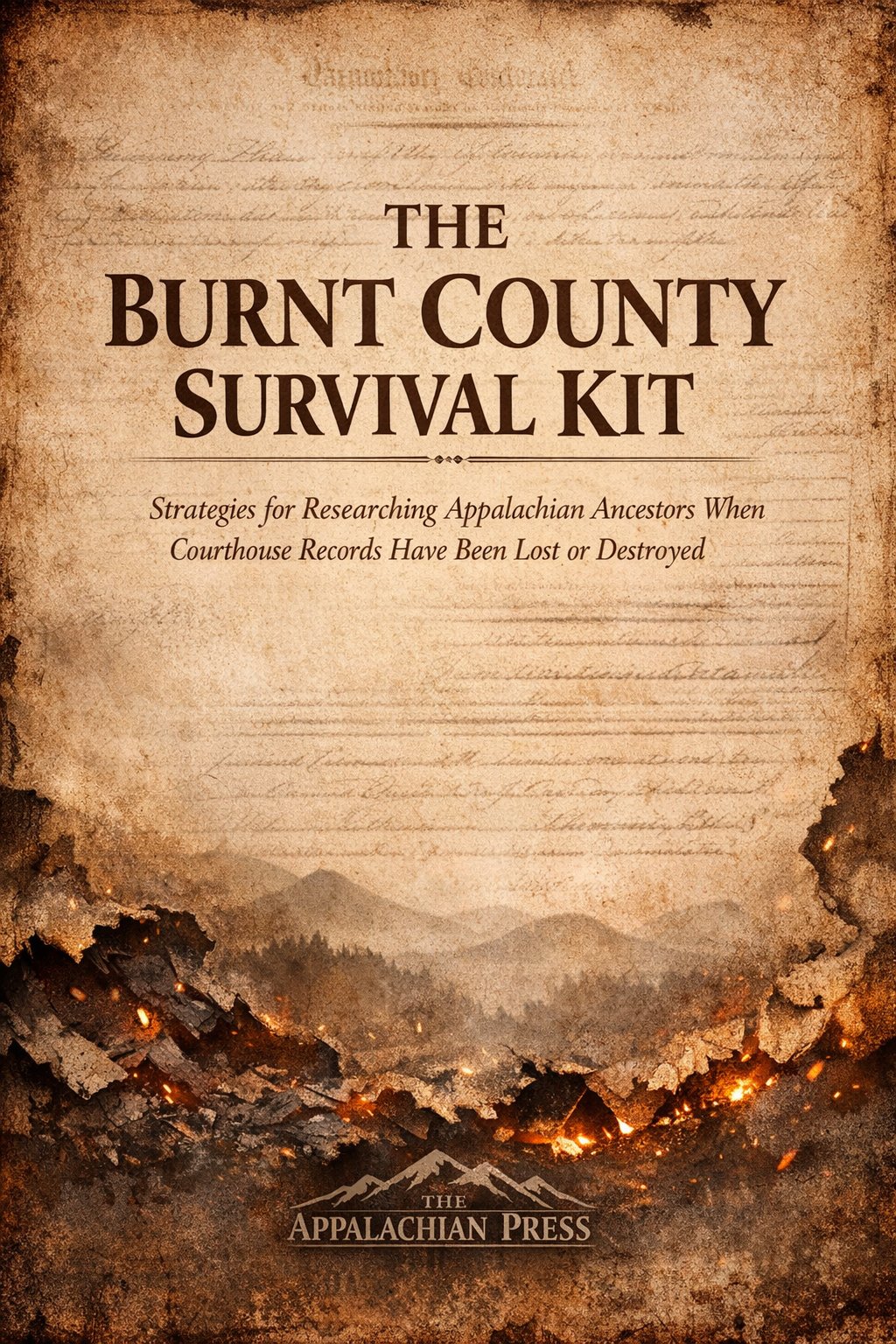
Courthouse fires eliminated the official record in dozens of Appalachian counties, but the families did not disappear with the paper. This guide walks you through every substitute source available by record type, county, and state, with a strategy for rebuilding a household's paper trail from what survives in neighboring counties, federal repositories, church archives, and private collections.
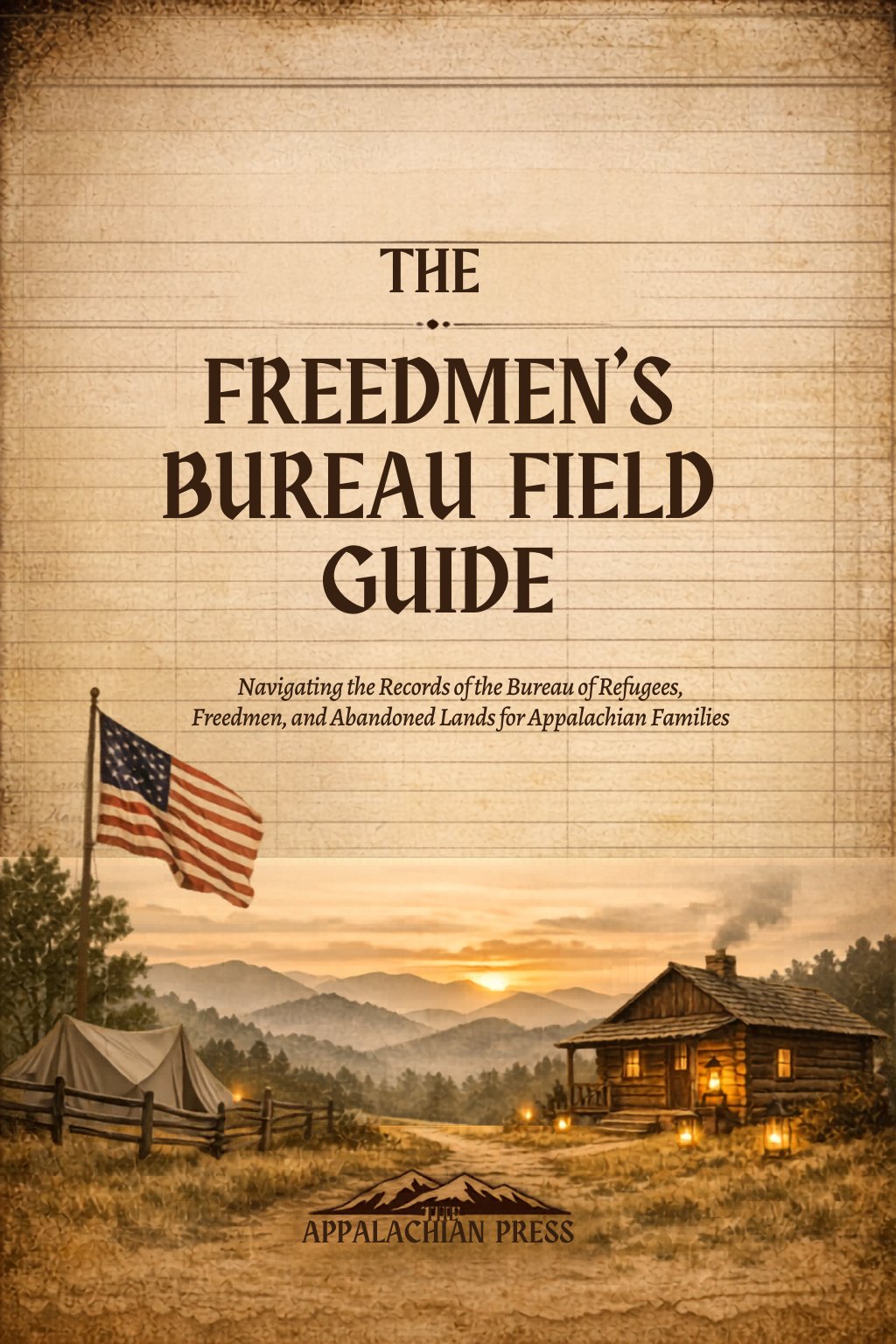
The Freedmen's Bureau produced one of the richest document collections in American genealogical history, and most of it remains underused. This guide walks through every record type the Bureau created across the Appalachian states, explains what each document contains and how to read it, and provides state-by-state access information for the records that survive, including those not yet digitized.
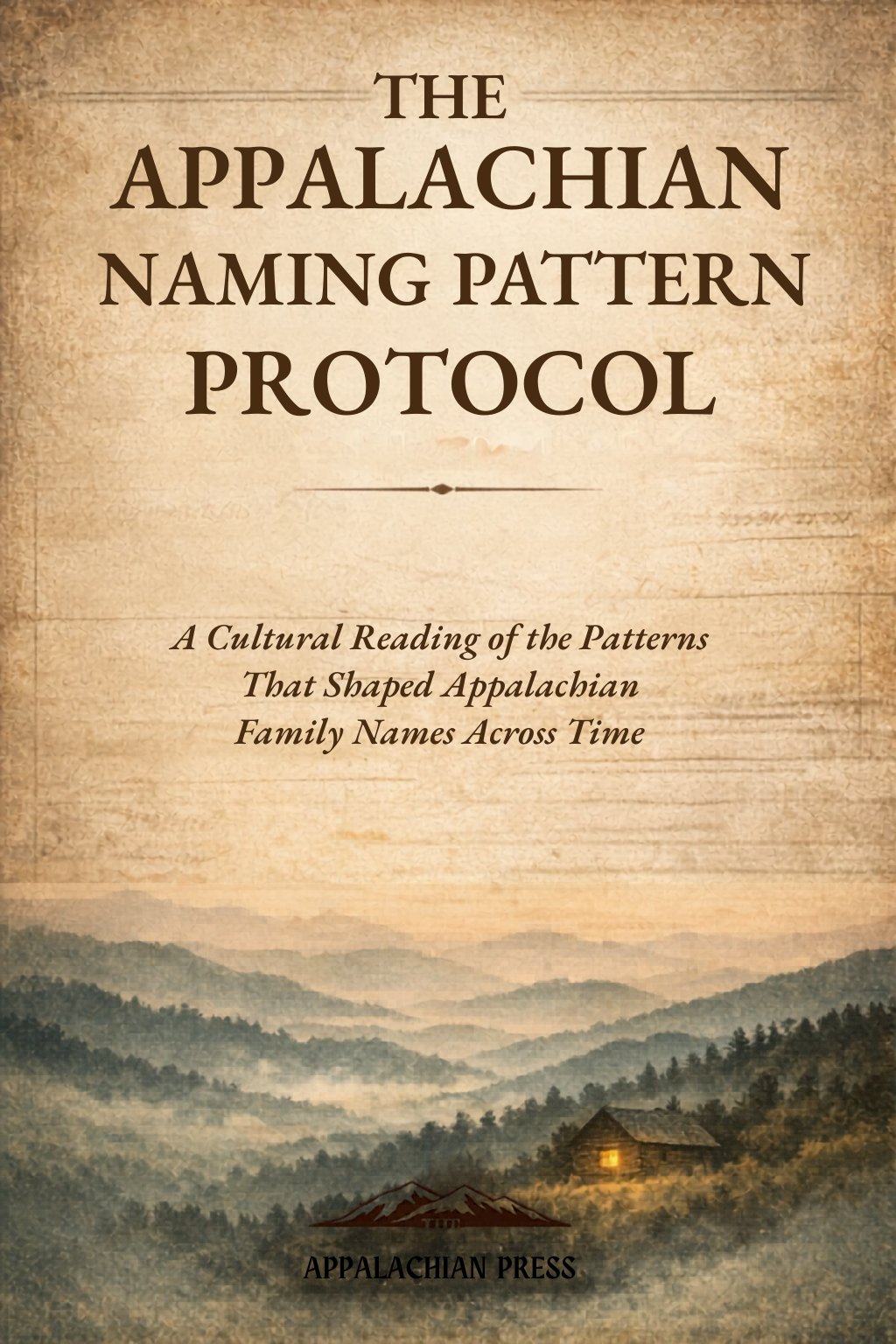
Appalachian families followed consistent naming traditions that, once understood, can collapse brick walls and sort out misidentified individuals across generations. This guide explains the conventions, documents the regional and cultural variations, and provides a structured protocol for using naming patterns as a research tool alongside documentary evidence.
Not a paid subscriber? Subscribe on Substack to access all four guides and every future addition to the series.
Available for Purchase
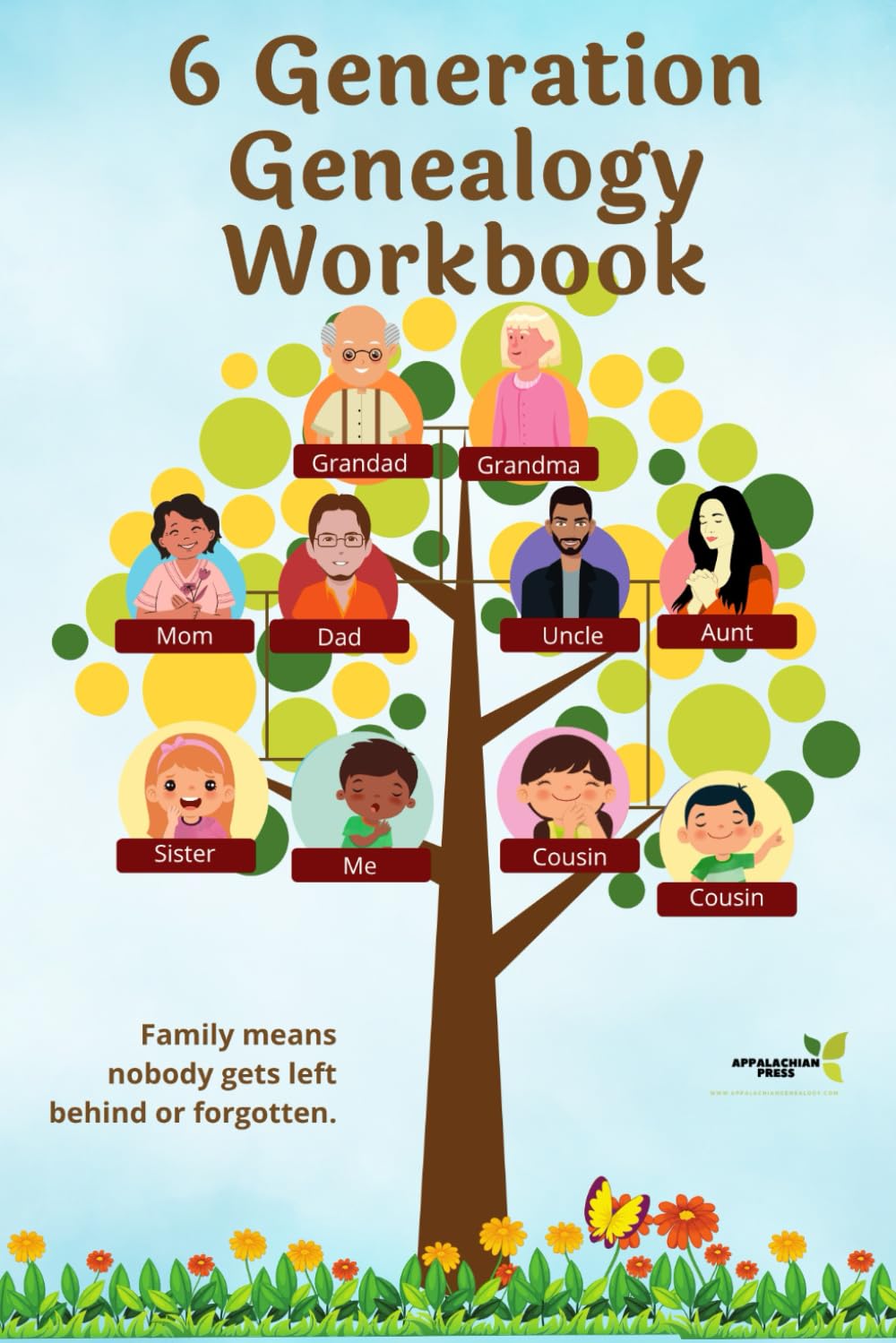
A structured workbook for recording six full generations of your family tree, from yourself through your third great-grandparents. Each spread is designed to hold what a genealogist actually needs: names, dates, locations, and the relationships that connect them. Useful for researchers at any stage, whether you are just starting to gather names or organizing decades of accumulated research into a single coherent record.